OFFICIAL LEGACY CARD DESTINATION

Grandmaster Flash

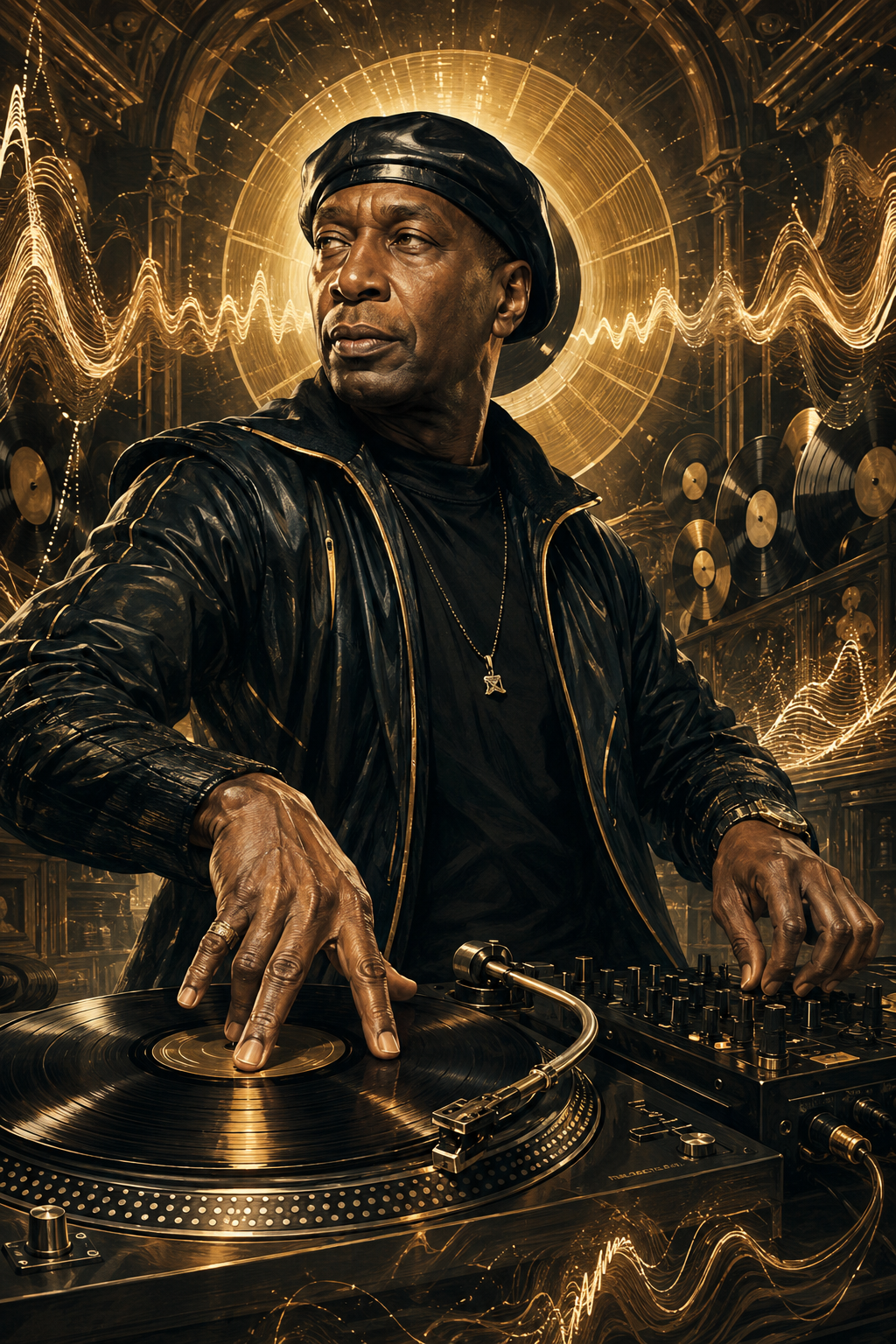
Grandmaster Flash belongs to hip-hop's foundational DJ generation. Fascinated by electronics and record players, Joseph Saddler treated the turntable as an instrument and developed ways to locate, repeat, and reorganize the short percussion breaks dancers wanted most.

ORIGINThe Bronx, New York City; born in Bridgetown, Barbados · LEGAL NAMEJoseph Saddler

7 CARD STORY SETRESEARCH DATABASE LOADED
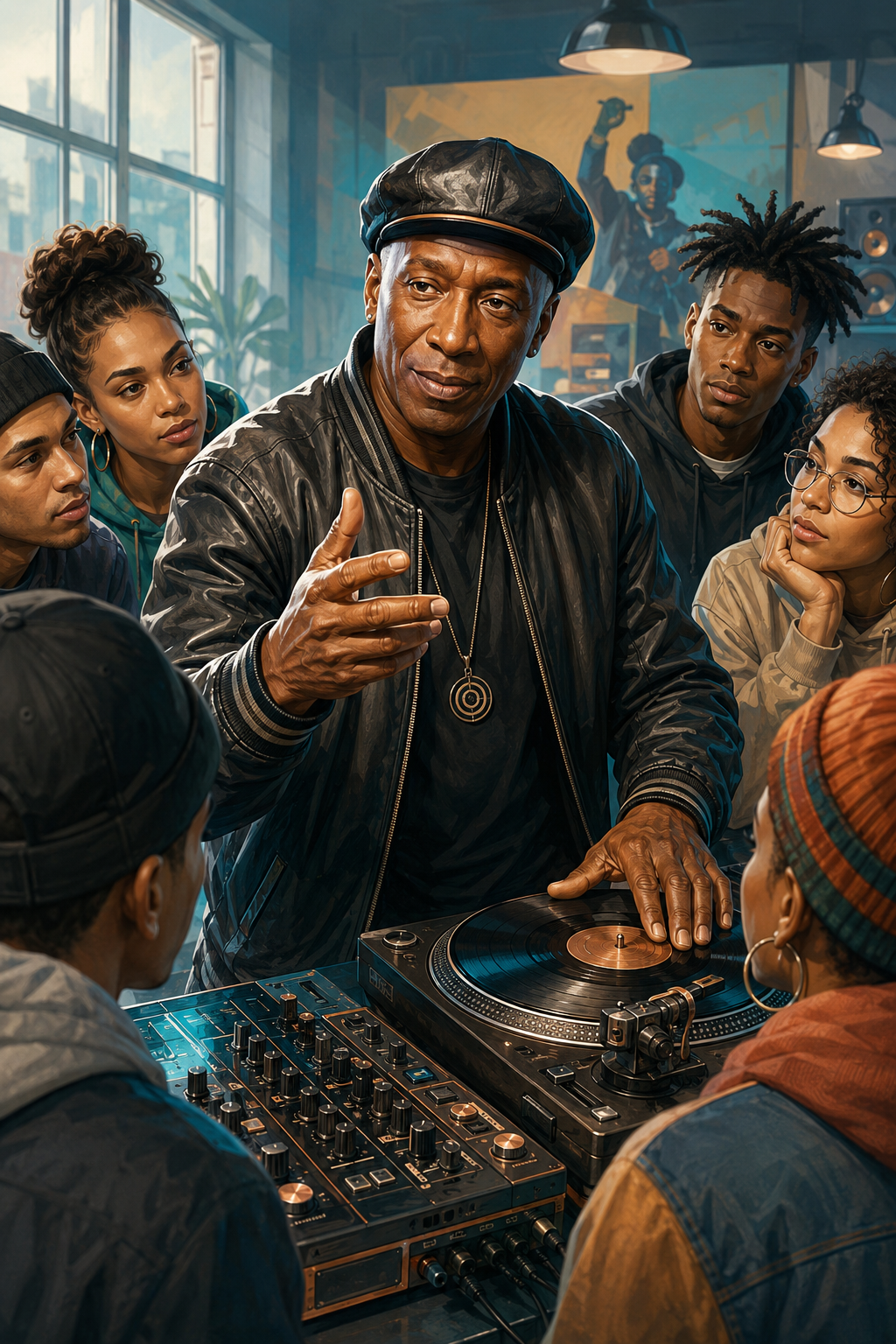
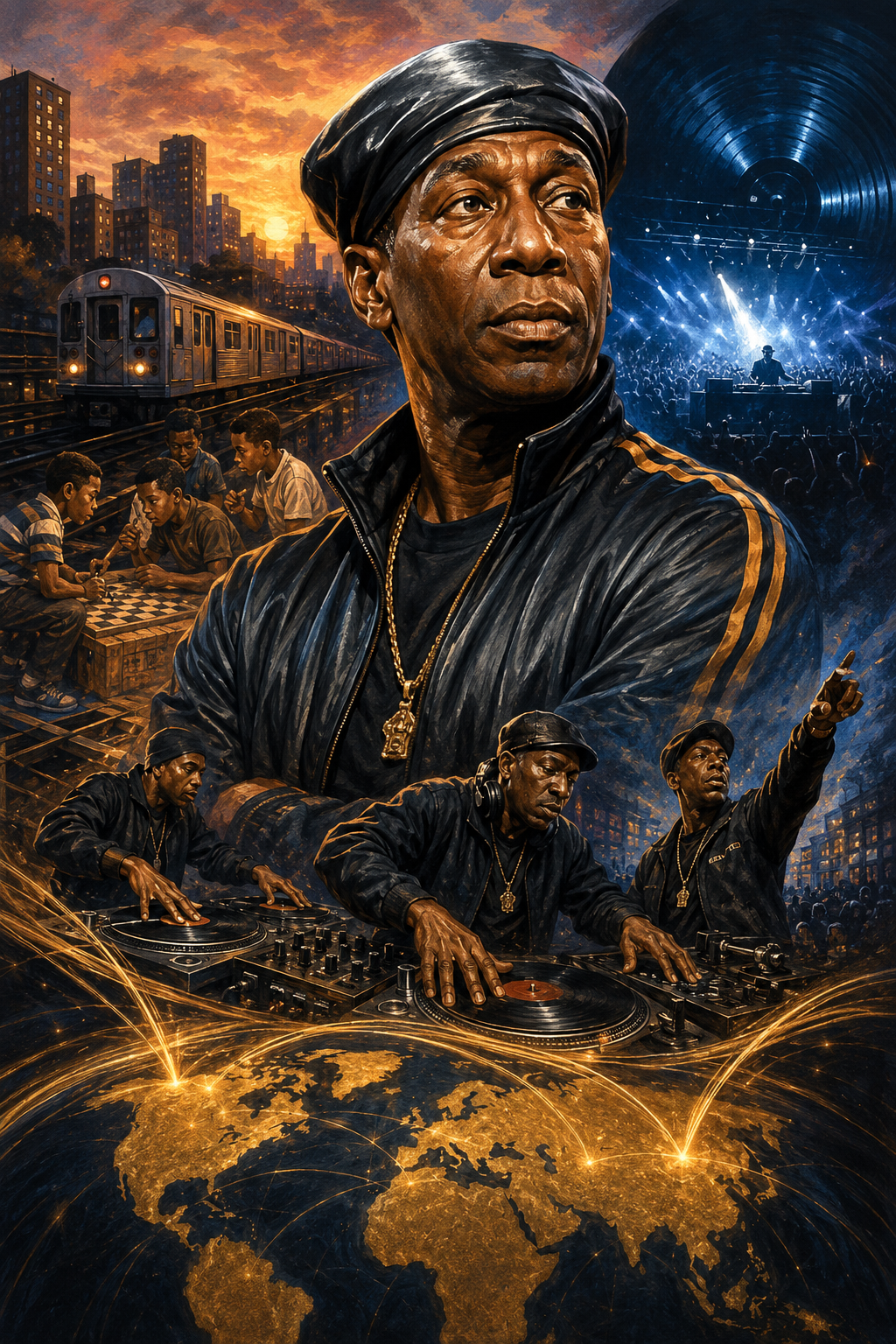
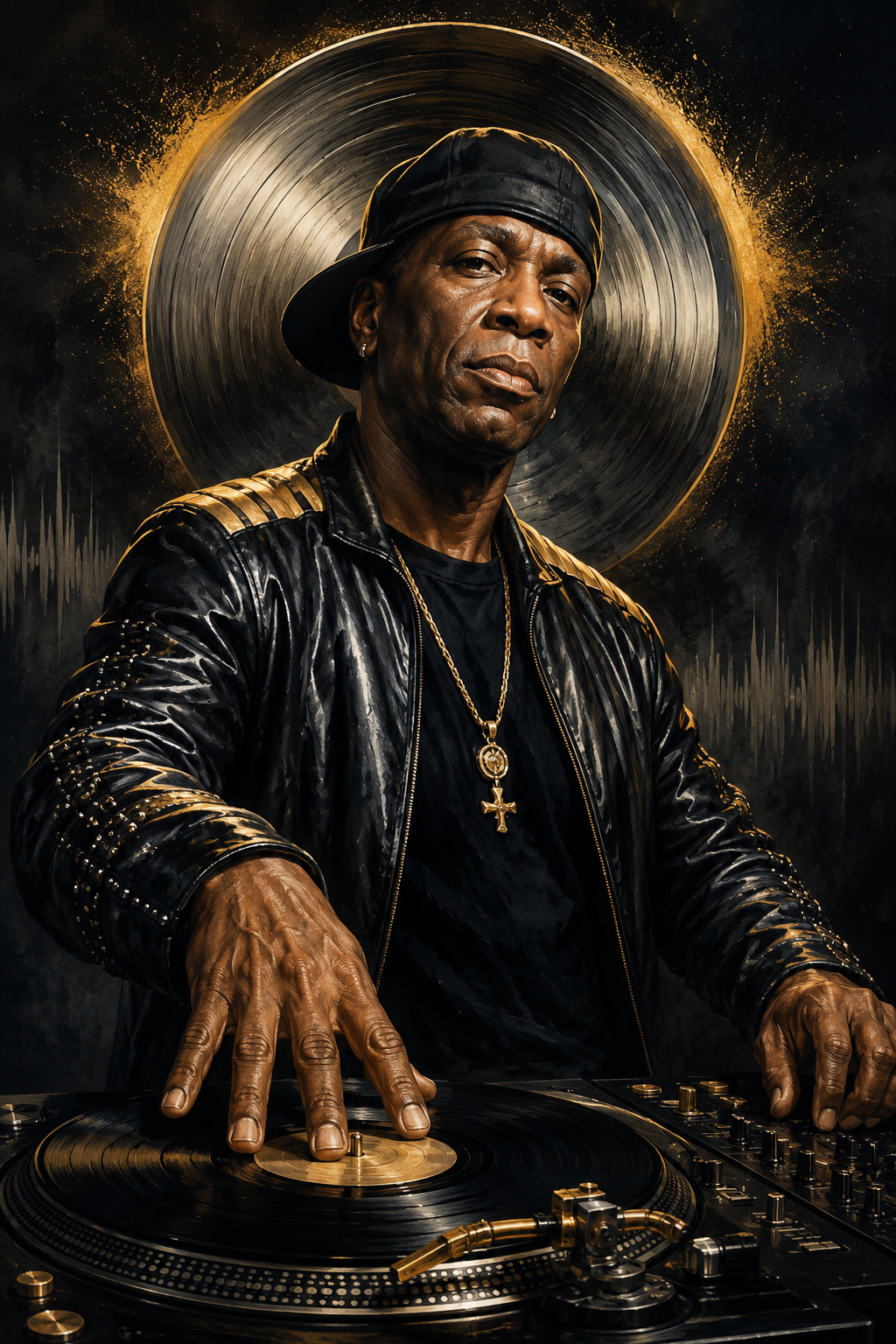
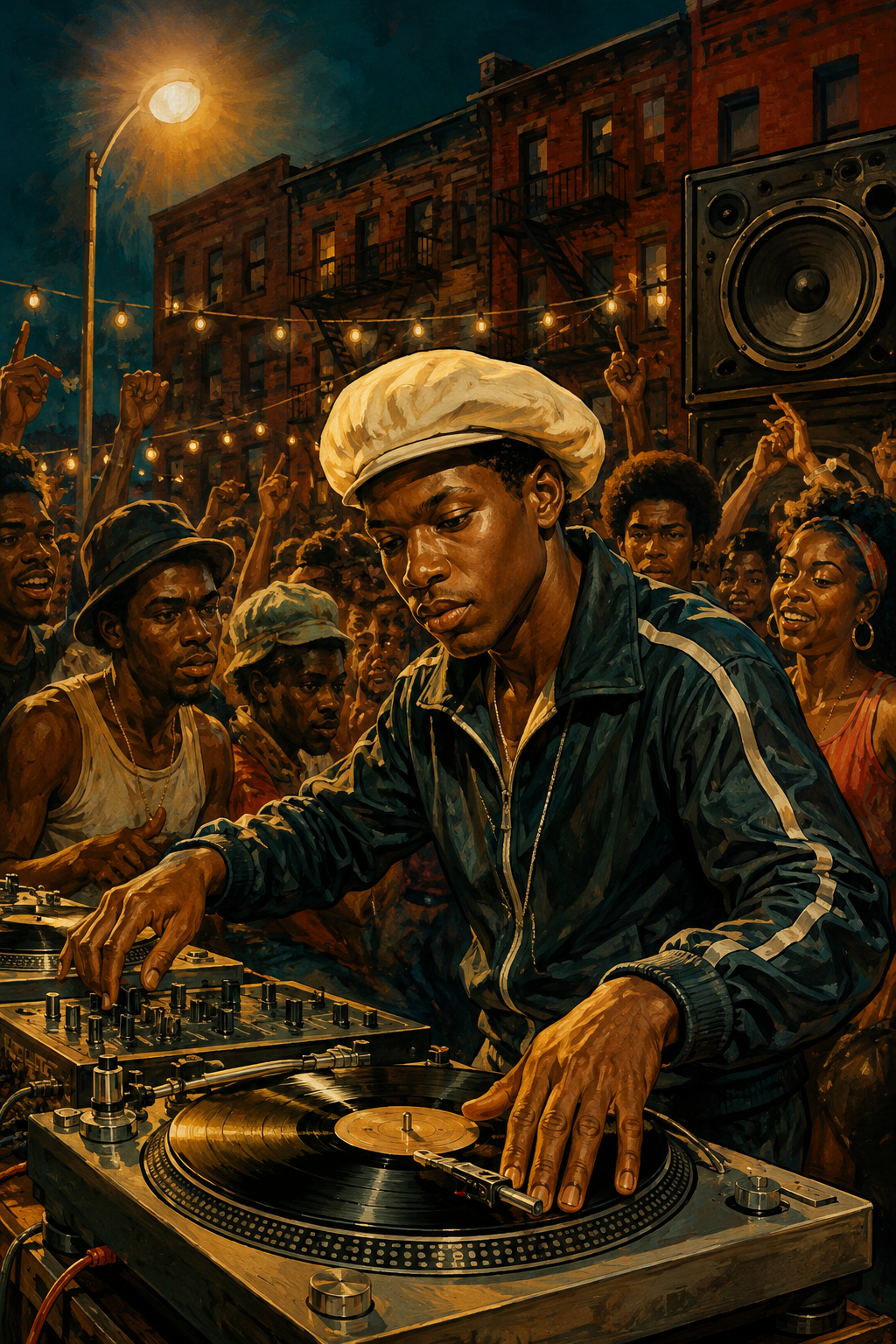
Grandmaster Flash Legacy Card artwork

ONE PERMANENT QR · CHANGING ACCESS

Grandmaster Flash FAN HUB

Permanent QR code for Grandmaster Flash
THE QR IS LIVE AND READY TO EXPAND.

Admin can activate approved audio, images, video, links, promo codes, discounts and collector perks here without changing or reprinting the QR code.

SEVEN CONNECTED CHAPTERS

THE CARD STORIES

With the Furious Five, Flash helped convert a neighborhood performance culture into recorded popular music. His legacy involves both technical DJ innovation and the group's ability to move between party routines and social reporting, most famously through the world built around The Message.

01Grandmaster Flash Origins card

CARD 01

Origins

Flash grew up in a household where records and electronic equipment fed his curiosity. Rather than simply playing songs from beginning to end, he studied how turntables worked and marked record break points so he could return to them quickly.

That combination of engineering curiosity and crowd observation became a new performance language. His early Bronx work should be framed as experimentation inside a larger community of DJs, MCs, dancers, sound-system builders, and party organizers—not as a one-person invention of hip-hop.
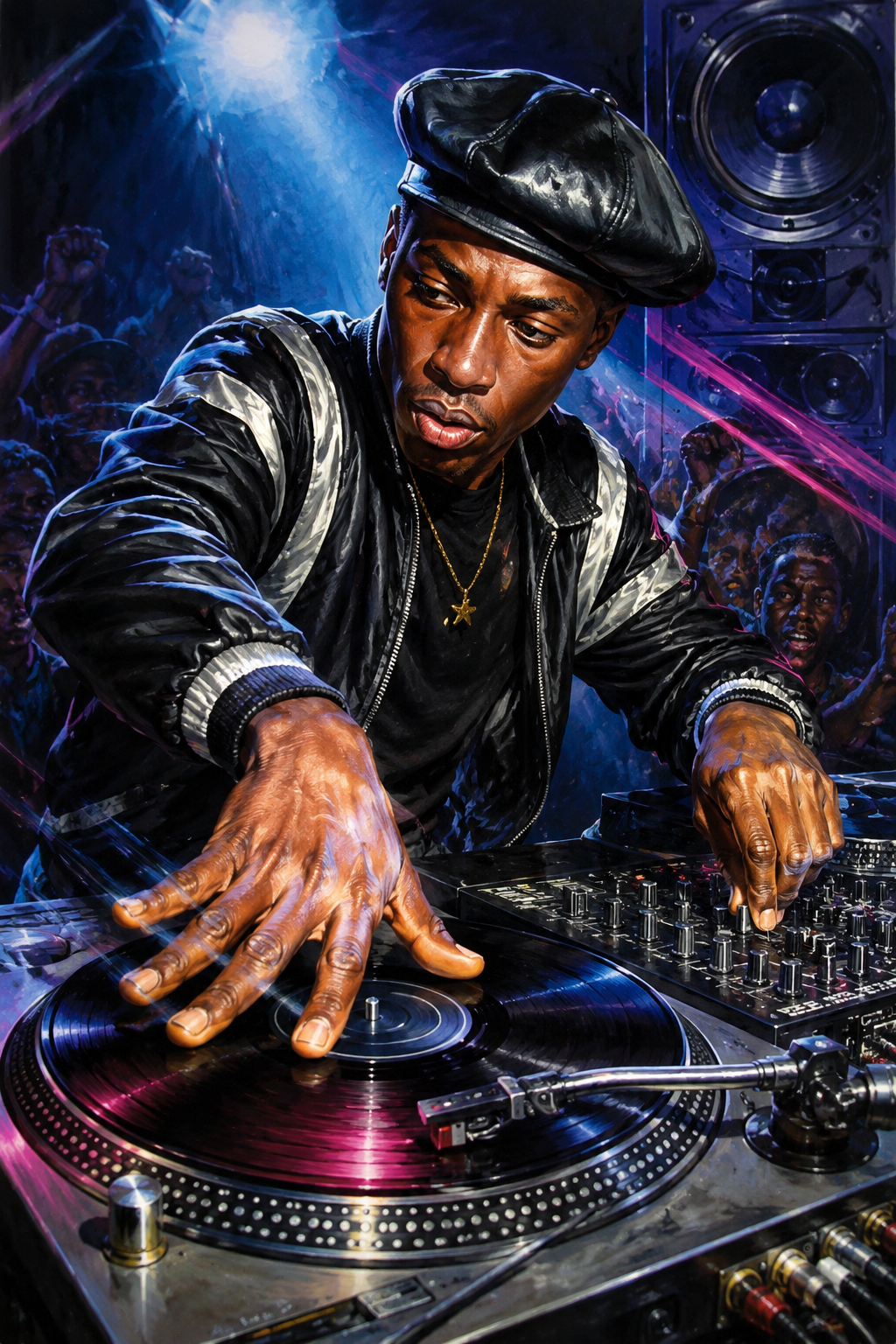

02Grandmaster Flash Breakthrough card

CARD 02

Breakthrough

The Furious Five gave Flash's technical routines a vocal team capable of choreographed rhymes, call-and-response, humor, and showmanship. Their recordings helped carry a live Bronx format to listeners who had never attended a park or community-center party.

The Adventures of Grandmaster Flash on the Wheels of Steel was especially important because it presented a DJ's multi-record routine as the record itself. It made turntable construction and sequencing audible as authorship.

03Grandmaster Flash Classic Work card

CARD 03

Classic Work

The Message expanded the popular possibilities of recorded rap by centering urban pressure, poverty, frustration, and psychological strain. Melle Mel's performance became the record's defining voice, while the group name connected it to the larger Grandmaster Flash and Furious Five legacy.

Editorially, the card must avoid implying that Flash wrote or performed every element of The Message. The recording has a complicated authorship and performance history involving Duke Bootee, Melle Mel, producer Clifton Chase, Sylvia Robinson, and Sugar Hill Records.

04Grandmaster Flash Collaborations card

CARD 04

Collaborations

The Furious Five lineup connected Flash with Melle Mel, Kidd Creole, Keef Cowboy, Scorpio, and Rahiem. Their different voices and stage roles turned a DJ-centered unit into one of early hip-hop's most recognizable ensembles.

Flash later worked across broadcasting, touring, education, television, and archival storytelling. His best collaboration story is the relationship between technology and human performance: the DJ reorganized sound while the MCs organized the crowd.

05Grandmaster Flash Untold Story card

CARD 05

Untold Story

One of the most revealing details is how practical Flash's innovations were. Marking records and building a system for finding breaks solved a live-performance problem; the technique was not initially designed as a museum artifact or studio genre convention.

Another important nuance is that early-hip-hop credit is frequently compressed. Flash's card should name collaborators and distinguish DJ innovation, group performance, songwriting, production, and label decisions so the story does not erase the Furious Five or other Bronx pioneers.

06Grandmaster Flash Then & Now card

CARD 06

Then & Now

Flash moved from neighborhood parties to international stages and from being misunderstood by the recording business to explaining hip-hop history in museums, lectures, interviews, and screen projects.

His present-day importance is partly custodial. He demonstrates techniques, corrects simplified histories, and gives audiences a physical explanation of how break-based DJing worked before digital software made looping effortless.

07Grandmaster Flash Legacy & Influence card

CARD 07

Legacy & Influence

Flash helped establish that the DJ could be a composer and live editor rather than a background operator. Cutting, extending breaks, and sequencing records became core ideas behind turntablism, sampling, beatmaking, and modern DJ performance.

The group also helped show that hip-hop could document social conditions as powerfully as it entertained. Their 2007 Rock Hall induction carried symbolic weight as the first hip-hop act inducted.

CULTURE CONTRIBUTIONS

WHAT CHANGED

  • Turntable-as-instrument philosophy
  • Break extension and rapid break-location systems
  • DJ-centered live composition
  • Choreographed MC-group performance
  • Social-reporting rap through the Furious Five legacy

RARE & IMPORTANT CONTEXT

FACT NOTES

artist account

His interest in electronics was central to his musical development; he approached DJ equipment as systems to understand and modify.

verified context

The famous group credit on The Message can obscure that Flash did not perform on the track and that its creation involved Duke Bootee, Melle Mel, Clifton Chase, Sylvia Robinson, and the label.

LISTEN & WATCH

KEY RECORDS

GROUP & COLLABORATOR CREDIT

PEOPLE IN THE STORY

Melle Melprincipal MC · Melvin Glover

Delivered the defining vocal performance associated with The Message and later appeared on Chaka Khan's I Feel for You.

verified
Kidd CreoleMC · Nathaniel Glover Jr.

Early member and Melle Mel's brother; his later criminal case should only appear in a carefully sourced, age-gated extended biography if editorially necessary.

verified sensitive
Keef CowboyMC · Keith Wiggins

Often connected in hip-hop oral history to a military-cadence use of the words hip and hop; died in 1989.

reported
ScorpioMC · Eddie Morris

Long-running Furious Five performer who continued preserving the group's stage legacy.

verified
RahiemMC · Guy Todd Williams

Joined after work with the Funky Four and contributed a distinctive singing-and-rapping presence.

verified

music

Music

Official streaming, catalog and purchase links supplied by the artist or rights holder.

Official links and content are awaiting Admin approval.

video

Video

Official videos, performances, documentaries and interviews.

Official links and content are awaiting Admin approval.

history

Verified History

Sourced biography, timeline, credits and rare facts approved for this collection.

Official links and content are awaiting Admin approval.

archive

The Archive

Photos, press, flyers, audio and historic materials cleared for fan access.

Official links and content are awaiting Admin approval.

perks

Collector Perks

Exclusive content, offers, events, downloads and card-owner rewards.

Official links and content are awaiting Admin approval.

COLLECT THE COMPLETE STORY

Grandmaster Flash CARD SET

QR code for Grandmaster Flash fan page
Grandmaster Flash: Origins
01OriginsPNG ↓PDF ↓
Grandmaster Flash: Breakthrough
02BreakthroughPNG ↓PDF ↓
Grandmaster Flash: Classic Work
03Classic WorkPNG ↓PDF ↓
Grandmaster Flash: Collaborations
04CollaborationsPNG ↓PDF ↓
Grandmaster Flash: Untold Story
05Untold StoryPNG ↓PDF ↓
Grandmaster Flash: Then & Now
06Then & NowPNG ↓PDF ↓
Grandmaster Flash: Legacy & Influence
07Legacy & InfluencePNG ↓PDF ↓

COLLECTOR DOWNLOADS

TAKE THE SET WITH YOU

Artist ZIP ↓Artist JSON ↓

SOURCE LEDGER

RESEARCH SOURCES

https://rockhall.com/inductees/grandmaster-flash-and-furious-five/https://www.si.edu/spotlight/hip-hop-raphttps://www.loc.gov/static/programs/national-recording-preservation-board/documents/TheMessage.pdf

Research labels distinguish verified facts, artist accounts, reported stories and disputed claims. Biographical research does not replace name, likeness, recording, footage or artwork clearances.