OFFICIAL LEGACY CARD DESTINATION

KRS-One

KRS-One emerged from New York's shelter system and transformed self-education, battle-rap discipline, and social analysis into a public identity. His name is commonly expanded as Knowledge Reigns Supreme Over Nearly Everyone.

ORIGINThe Bronx, New York City · LEGAL NAMELawrence Parker

7 CARD STORY SETRESEARCH DATABASE LOADED
KRS-One Legacy Card artwork

ONE PERMANENT QR · CHANGING ACCESS

KRS-One FAN HUB

Permanent QR code for KRS-One
THE QR IS LIVE AND READY TO EXPAND.

Admin can activate approved audio, images, video, links, promo codes, discounts and collector perks here without changing or reprinting the QR code.

SEVEN CONNECTED CHAPTERS

THE CARD STORIES

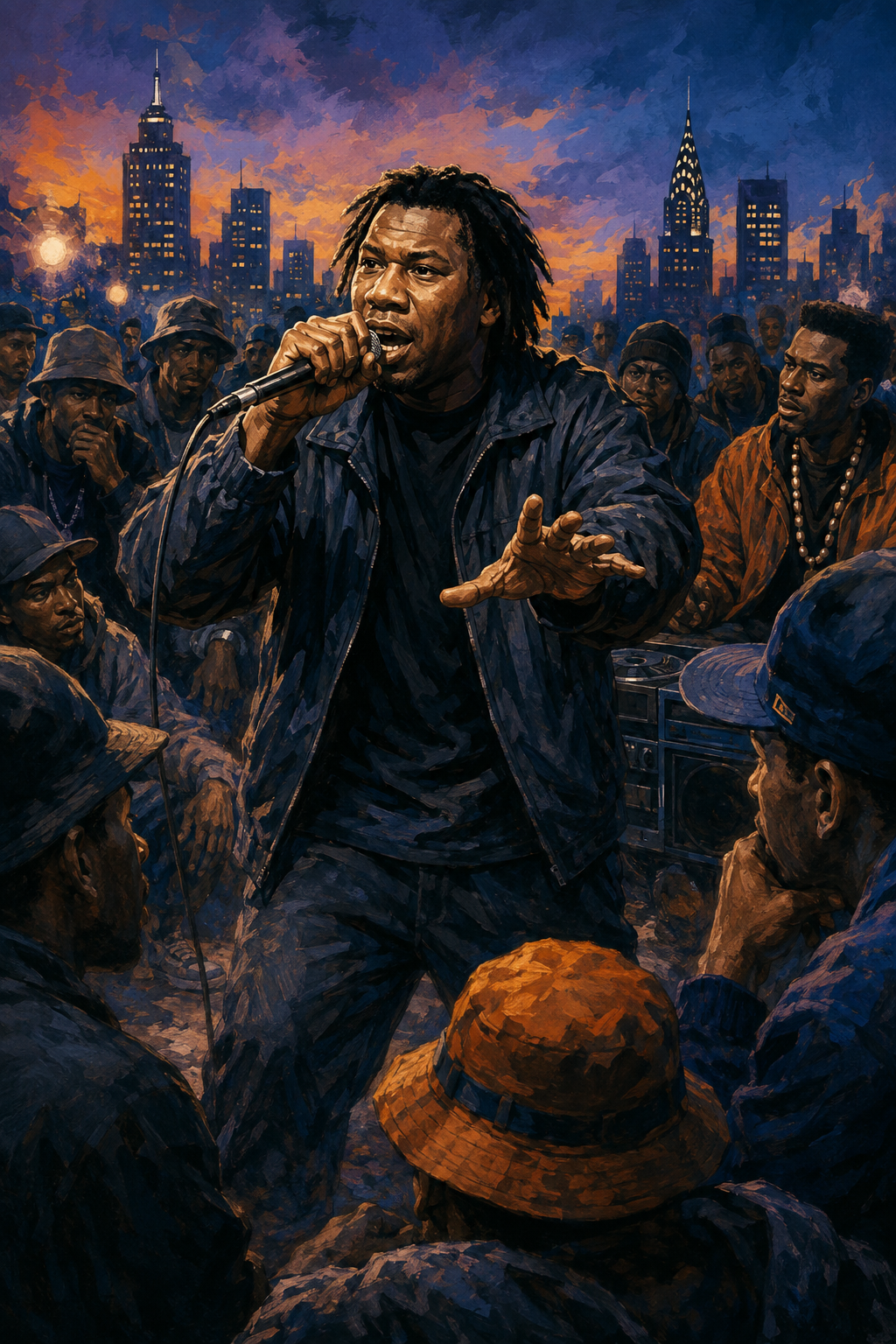
Through Boogie Down Productions and his solo career, he argued that hip-hop was not only a music market but a culture with history, ethics, language, and teaching power.

01KRS-One Origins card

CARD 01

Origins

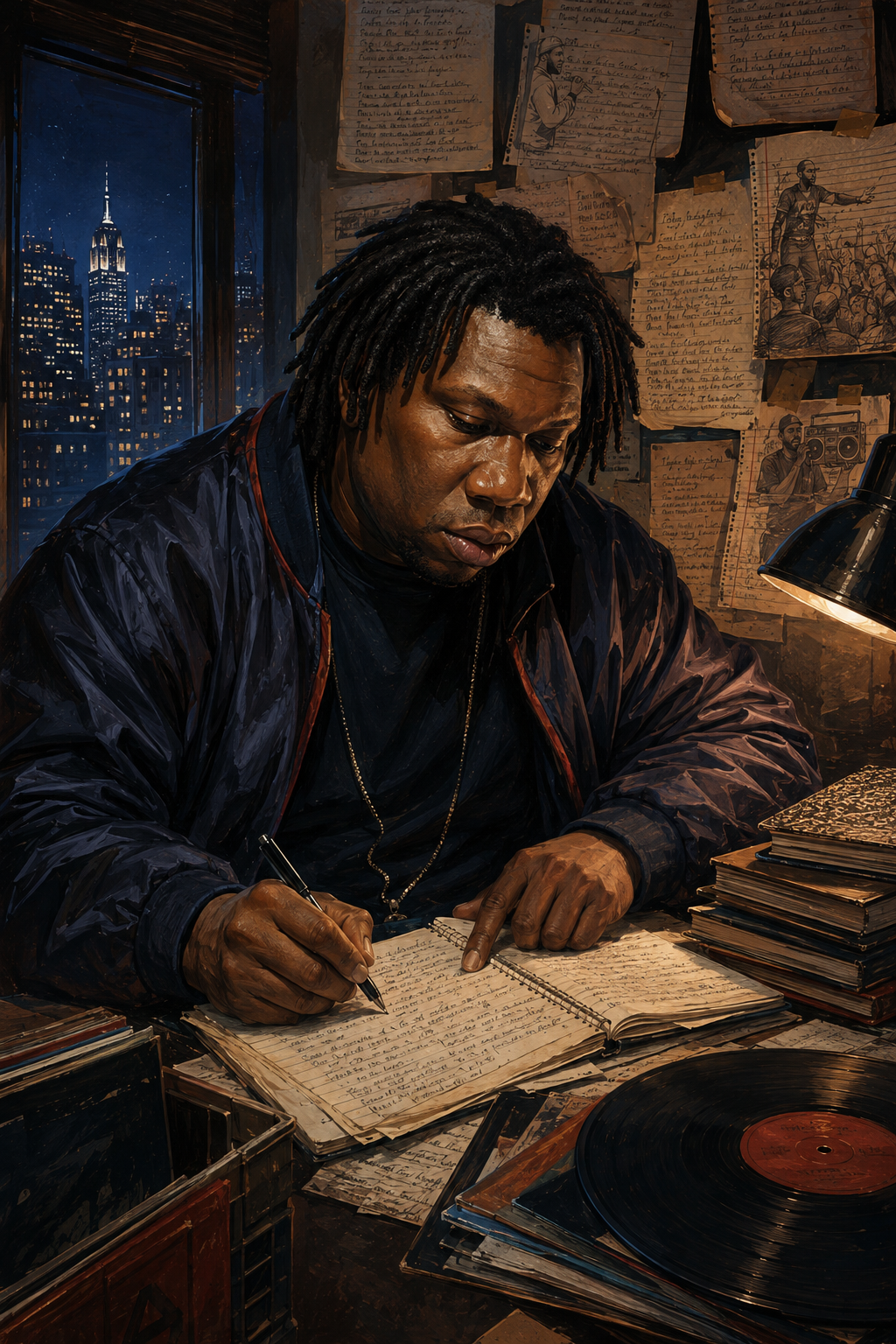
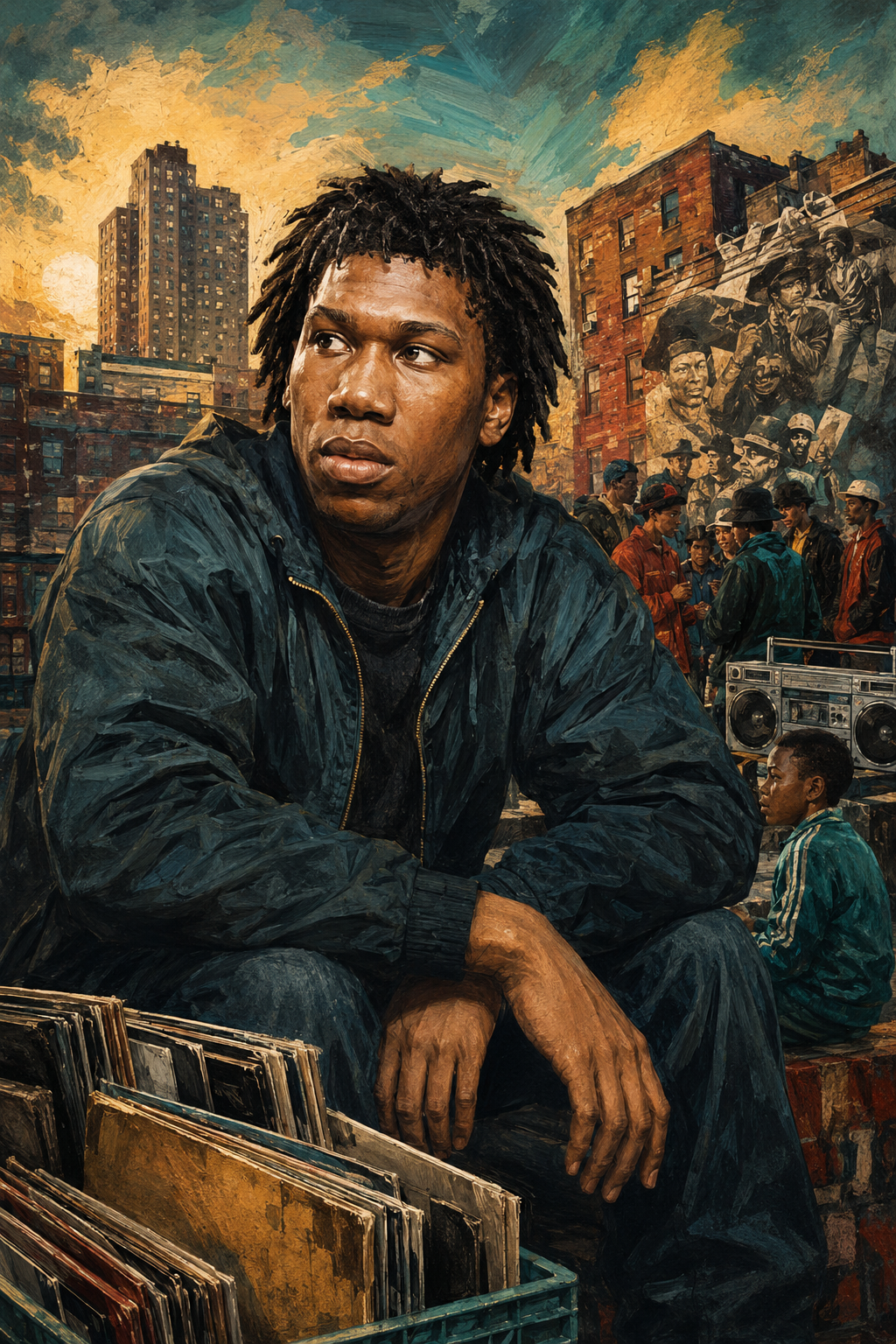
As a teenager, Parker left home and spent time in shelters while reading intensely and developing as an MC. That period is central to his self-created image as both street-tested battler and teacher.

At a shelter he met counselor and DJ Scott Sterling, known as Scott La Rock. Their partnership became Boogie Down Productions, combining KRS-One's voice with Scott's musical and organizational support.
02KRS-One Breakthrough card

CARD 02

Breakthrough

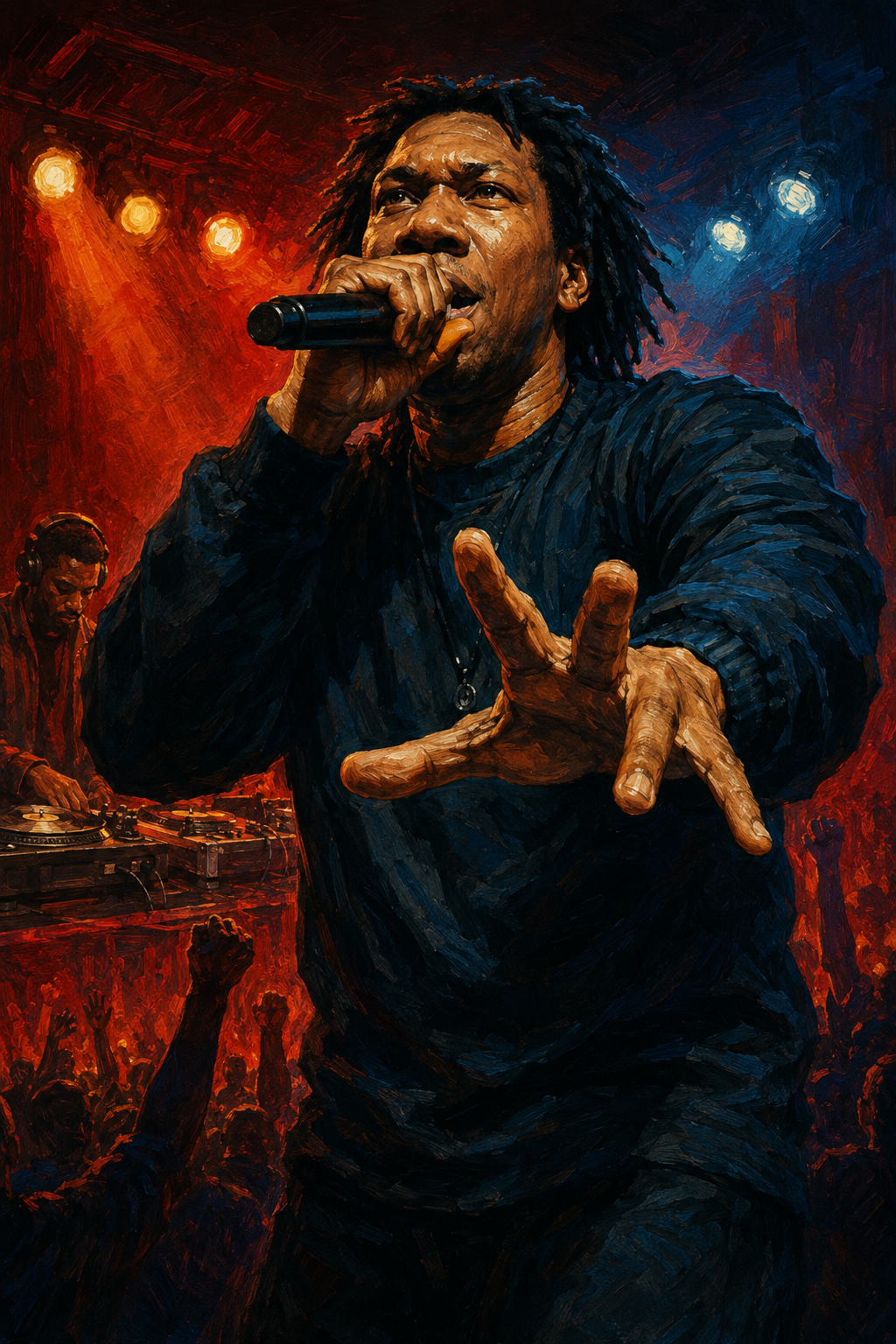
BDP's Criminal Minded arrived with hard drums, reggae influence, battle rhetoric, and stark photography. It became a major bridge between early New York rap and the tougher aesthetics associated with the golden era.

The Bridge Wars placed KRS-One in one of hip-hop's defining competitive exchanges. The episode should be explained as artistic rivalry and regional identity rather than reduced to personal hatred.

03KRS-One Classic Work card

CARD 03

Classic Work

After Scott La Rock's 1987 killing, KRS-One redirected BDP toward political education and community questions without abandoning forceful performance. By All Means Necessary and Edutainment became key texts in conscious rap.

Sound of da Police later turned a compact vocal hook into a durable critique of policing and institutional power. Its continued use in film, protest, and popular culture demonstrates how a record can outlive its release cycle.

04KRS-One Collaborations card

CARD 04

Collaborations

KRS-One worked with BDP members and affiliates including D-Nice, Ms. Melodie, Harmony, and later producers and MCs across generations. His collaborations often function as intergenerational tests of lyrical presence.

Stop the Violence Movement's Self Destruction assembled many New York artists after real-world violence affected the hip-hop community, showing KRS-One's ability to organize beyond his own catalog.

05KRS-One Untold Story card

CARD 05

Untold Story

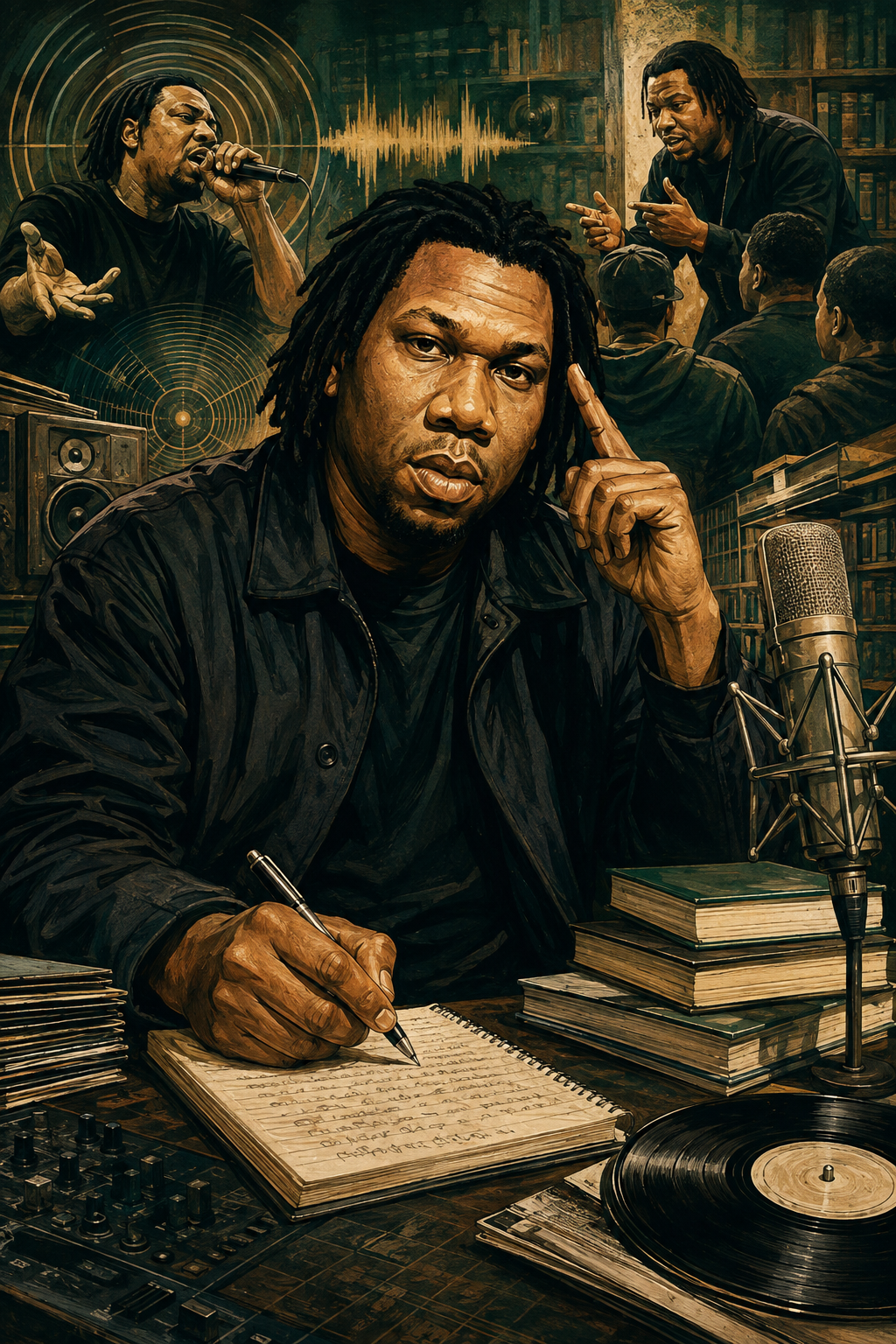
His public image as The Teacha came from a real commitment to lectures, reading, and historical argument, but some of his broad claims about hip-hop history remain debated. The app should present his philosophy as influential while distinguishing interpretation from settled fact.

His catalog also contains contradictions: celebration and critique, spiritual language and battle aggression, institutional recognition and anti-institutional rhetoric. Those tensions make a stronger story than a one-note hero profile.

06KRS-One Then & Now card

CARD 06

Then & Now

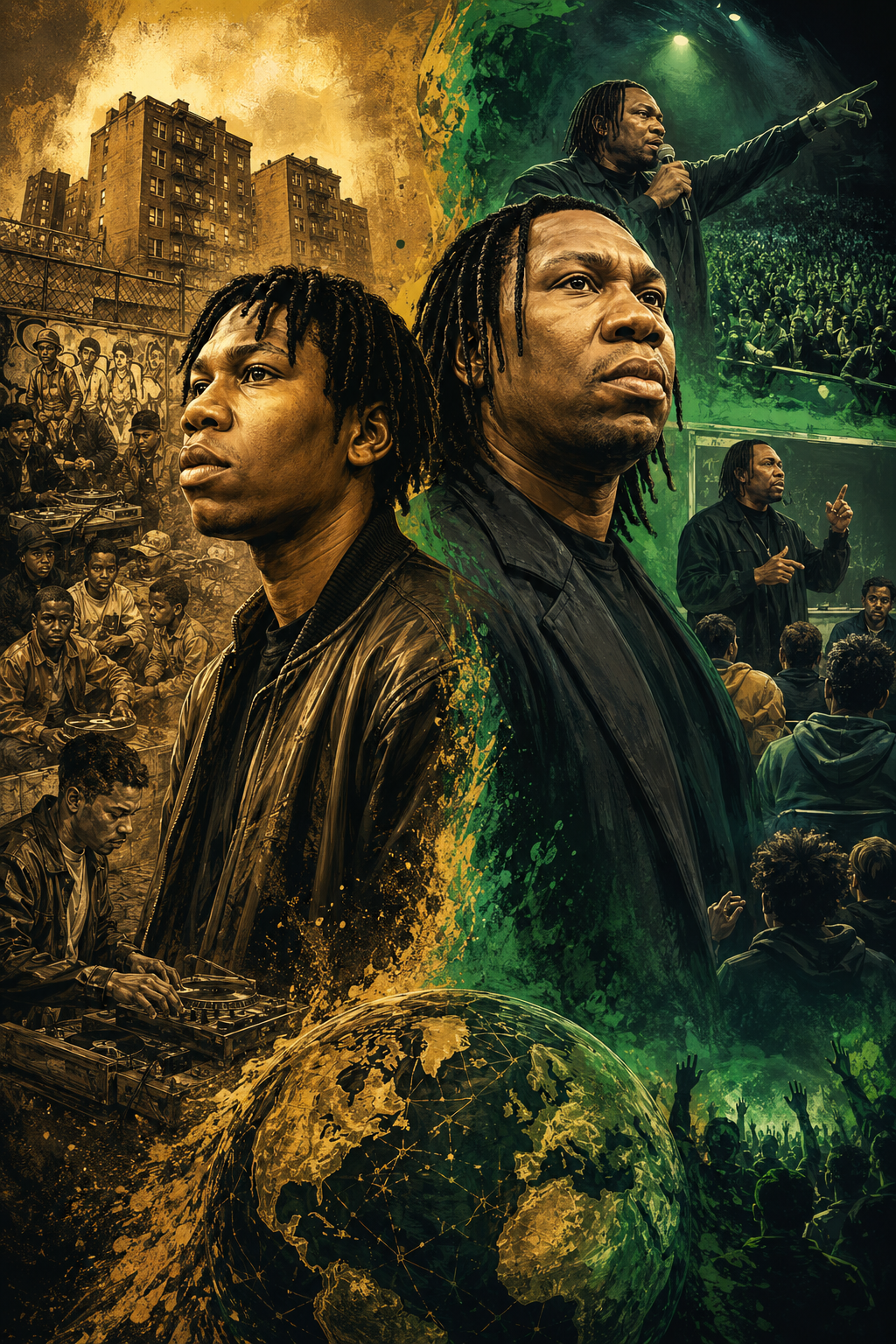
KRS-One has continued touring, recording, lecturing, and advocating for hip-hop as a culture. He often performs classics while explaining the social setting and techniques behind them.

His modern role is less about chart competition than cultural authority. That authority should still be presented critically, with sources and room for disagreement.

07KRS-One Legacy & Influence card

CARD 07

Legacy & Influence

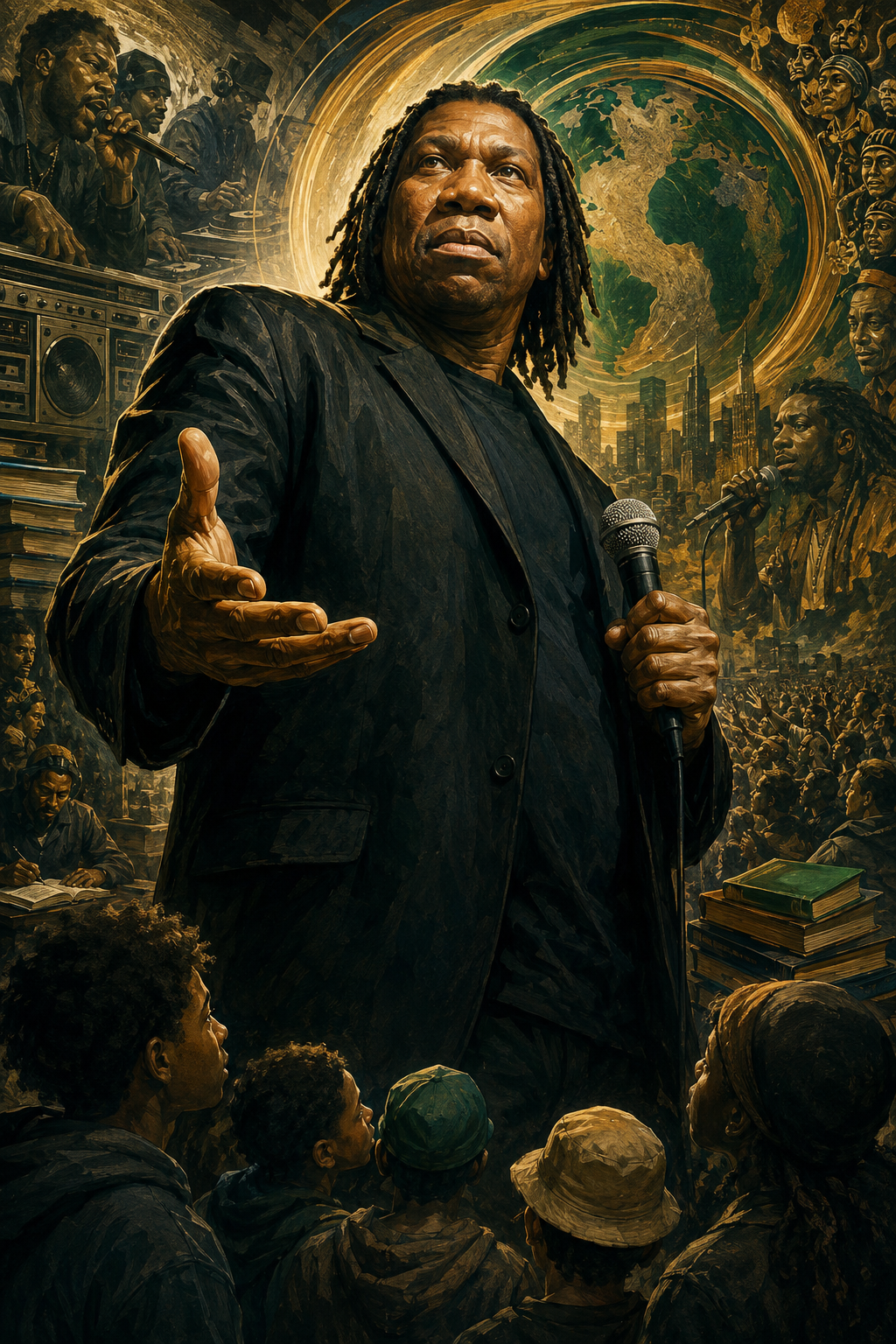
KRS-One helped define the politically engaged MC who could battle, teach, organize, and challenge an audience in the same performance. His vocal projection and command became a template for live rap.

He also helped popularize the idea that hip-hop's elements and history deserved preservation and formal study—an argument that later appeared in universities, museums, archives, and cultural institutions.

CULTURE CONTRIBUTIONS

WHAT CHANGED

  • Battle-rap technique
  • Conscious and educational rap
  • Reggae and sound-system influence
  • Hip-hop preservation philosophy
  • Stop the Violence organizing

RARE & IMPORTANT CONTEXT

FACT NOTES

widely reported

His partnership with Scott La Rock began through a homeless shelter where Scott worked as a counselor.

artist account

The Teacha identity grew alongside an unusually book-centered, self-educated adolescence.

LISTEN & WATCH

KEY RECORDS

music

Music

Official streaming, catalog and purchase links supplied by the artist or rights holder.

Official links and content are awaiting Admin approval.

video

Video

Official videos, performances, documentaries and interviews.

Official links and content are awaiting Admin approval.

history

Verified History

Sourced biography, timeline, credits and rare facts approved for this collection.

Official links and content are awaiting Admin approval.

archive

The Archive

Photos, press, flyers, audio and historic materials cleared for fan access.

Official links and content are awaiting Admin approval.

perks

Collector Perks

Exclusive content, offers, events, downloads and card-owner rewards.

Official links and content are awaiting Admin approval.

COLLECT THE COMPLETE STORY

KRS-One CARD SET

QR code for KRS-One fan page
KRS-One: Origins
01OriginsPNG ↓PDF ↓
KRS-One: Breakthrough
02BreakthroughPNG ↓PDF ↓
KRS-One: Classic Work
03Classic WorkPNG ↓PDF ↓
KRS-One: Collaborations
04CollaborationsPNG ↓PDF ↓
KRS-One: Untold Story
05Untold StoryPNG ↓PDF ↓
KRS-One: Then & Now
06Then & NowPNG ↓PDF ↓
KRS-One: Legacy & Influence
07Legacy & InfluencePNG ↓PDF ↓

COLLECTOR DOWNLOADS

TAKE THE SET WITH YOU

Artist ZIP ↓Artist JSON ↓

SOURCE LEDGER

RESEARCH SOURCES

https://www.britannica.com/biography/KRS-Onehttps://www.grammy.com/artists/krs-one/3668

Research labels distinguish verified facts, artist accounts, reported stories and disputed claims. Biographical research does not replace name, likeness, recording, footage or artwork clearances.